// WEARABLES
Fitbit Versa 4 vs Amazfit GTS 4: Complete Smartwatch Comparison
The Fitbit Versa 4 and Amazfit GTS 4 represent two compelling approaches to fitness-focused smartwatches, both priced at $179. While Fitbit has established dominance in health and sleep tracking with its mature ecosystem, Amazfit has emerged as a formidable challenger offering impressive hardware specifications and extended battery life. Both devices target health-conscious users seeking comprehensive fitness tracking, heart rate monitoring, and smart features. However, they differ significantly in their strengths - Fitbit excels in health analytics and sleep insights, while Amazfit focuses on display quality, battery longevity, and workout versatility. For BodyOS users optimizing their health metrics, understanding these differences is crucial for selecting the ideal tracking companion.
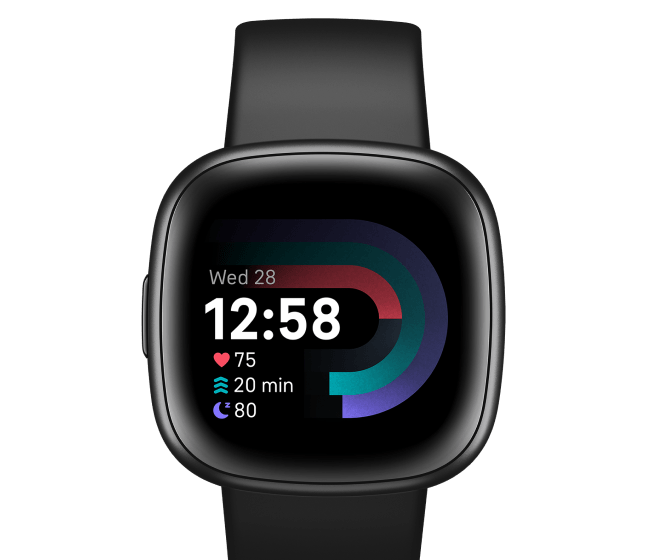
Fitbit Versa 4
by Fitbit
$179
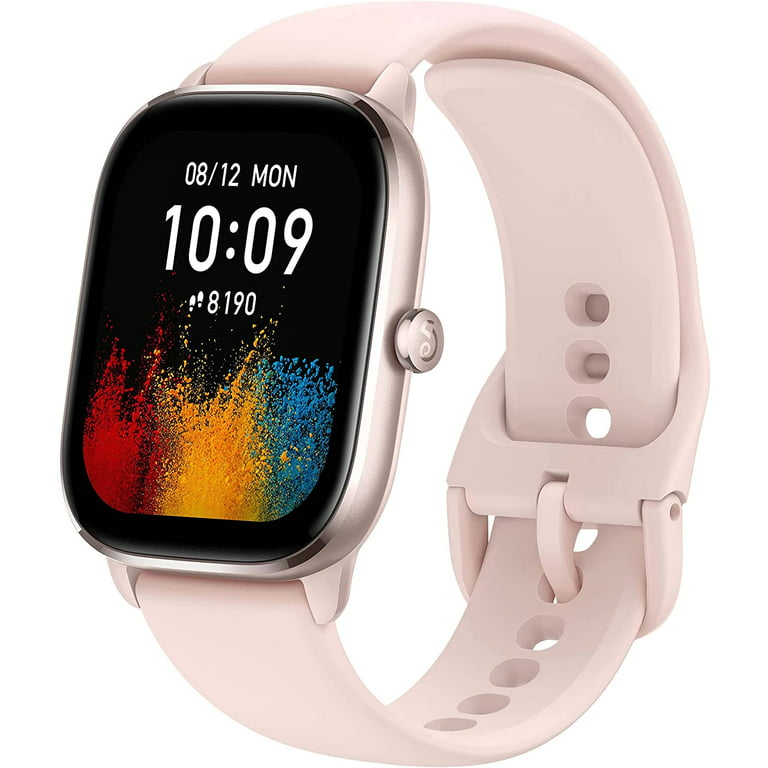
Amazfit GTS 4
by Amazfit
$179
FEATURE COMPARISON
| Feature | Fitbit Versa 4 | Amazfit GTS 4 |
|---|---|---|
|
Display Size & Quality Screen real estate and visual clarity for data viewing and navigation |
1.58" AMOLED, 336x336px, 268.5 PPI | 1.75" AMOLED, 390x450px, 341 PPI |
|
Battery Life Usage duration between charges for continuous health monitoring |
Up to 6 days | Up to 8 days |
|
Health Tracking Features Advanced health monitoring capabilities and medical-grade sensors |
ECG, irregular heart rate alerts, HRV tracking, stress monitoring | SpO2, heart rate monitoring, stress tracking, sleep analysis |
|
Workout Modes Number of supported exercise types and fitness tracking options |
40+ exercise modes with GPS | 150+ sport modes with multiband GPS |
|
Smart Features Connected capabilities and third-party integrations |
NFC payments, Alexa, phone calls, branded Gorilla Glass | Alexa, Wi-Fi support, music storage, no NFC |
|
Sleep Tracking Accuracy Quality and depth of sleep analysis and insights |
Industry-leading sleep stages, Sleep Score, smart alarm | Basic sleep tracking with duration and quality metrics |
|
Build Quality & Design Construction materials, durability, and aesthetic appeal |
12.3mm thick, branded damage-resistant glass, premium feel | 9.9mm thick, lightweight 27g, sleeker profile |
PROS & CONS
Fitbit Versa 4
Pros
- Industry-leading sleep tracking and analysis
- ECG and irregular heart rate monitoring
- NFC payments and premium build quality
- Mature health ecosystem with detailed insights
- Medical-grade health sensors and HRV tracking
Cons
- Smaller 1.58" display with lower resolution
- Shorter 6-day battery life
- Limited to 40+ exercise modes
Amazfit GTS 4
Pros
- Larger 1.75" high-resolution AMOLED display
- Extended 8-day battery life
- 150+ comprehensive sport modes
- Thinner, lighter design at 9.9mm
- Wi-Fi connectivity and multiband GPS
Cons
- Basic sleep tracking compared to Fitbit
- No NFC payments or ECG capabilities
- Less mature health analytics ecosystem
OUR VERDICT
The Fitbit Versa 4 wins for comprehensive health tracking and sleep analysis, while the Amazfit GTS 4 excels in display quality and battery life.
The choice between the Fitbit Versa 4 and Amazfit GTS 4 ultimately depends on your health optimization priorities and usage patterns. The Fitbit Versa 4 emerges as the superior choice for users prioritizing comprehensive health insights and medical-grade tracking accuracy. Its industry-leading sleep analysis, ECG capabilities, irregular heart rate warnings, and HRV tracking make it invaluable for serious health monitoring. The mature Fitbit ecosystem, with its Health Metrics dashboard and Premium subscription features, provides deeper analytical insights that BodyOS users will appreciate for long-term health trend analysis.
However, the Amazfit GTS 4 offers compelling advantages in display quality, battery longevity, and fitness versatility. Its larger, sharper 1.75" screen with higher pixel density provides better visibility during workouts, while the 8-day battery life reduces charging frequency. The 150+ sport modes with multiband GPS make it superior for diverse fitness activities, and the thinner, lighter design enhances comfort during extended wear.
For BodyOS users focused on comprehensive health data collection and analysis, the Fitbit Versa 4's superior sleep tracking, medical-grade sensors, and robust health metrics make it the more valuable long-term investment despite the smaller display and shorter battery life. The ecosystem integration and data quality outweigh the hardware advantages of the Amazfit.
The Amazfit GTS 4 serves better for fitness enthusiasts who prioritize workout tracking variety, display quality, and battery convenience over deep health analytics. While both offer excellent value at $179, your primary use case should guide the decision.
Our pick:
Fitbit Versa 4
Track Fitbit Versa 4 and Amazfit GTS 4 in BodyOS
Connect your devices to see unified insights in one place.
RELATED COMPARISONS

Wearables
Garmin Forerunner 965 vs Coros Pace 3: Premium vs Budget Running Watch Comparison
The Coros Pace 3 offers better value for dedicated runners, while the Garmin Forerunner 965 justifies its premium price for users wanting comprehensive smartwatch features.

Wearables FEATURED
WHOOP 4.0 vs Oura Ring Gen 3: Complete Wearable Health Tracker Comparison
WHOOP 4.0 wins for comprehensive fitness tracking and recovery optimization, while Oura Ring Gen 3 excels in sleep monitoring and elegant daily wear.

Wearables
Oura Ring Gen 3 vs Ultrahuman Ring Air: Complete Smart Ring Comparison Guide
Oura Ring Gen 3 wins for superior accuracy, comfort, and user experience, despite higher subscription costs.