// WEARABLES
WHOOP 4.0 vs Polar H10: Complete Heart Rate Monitoring Comparison Guide
The WHOOP 4.0 and Polar H10 represent two fundamentally different approaches to heart rate monitoring and fitness tracking. WHOOP 4.0 is a comprehensive recovery-focused wearable that tracks strain, sleep, and provides coaching insights through continuous wrist-based monitoring. The Polar H10, meanwhile, is a dedicated chest strap heart rate monitor renowned for its clinical-grade accuracy during workouts. While both devices serve the fitness tracking ecosystem, they target different use cases and user preferences. The WHOOP 4.0 appeals to users seeking 24/7 health optimization with minimal effort, offering detailed recovery metrics and strain coaching. The Polar H10 attracts serious athletes and fitness enthusiasts who prioritize pinpoint heart rate accuracy during training sessions, particularly for activities like cycling, running, and strength training where wrist-based sensors often struggle.

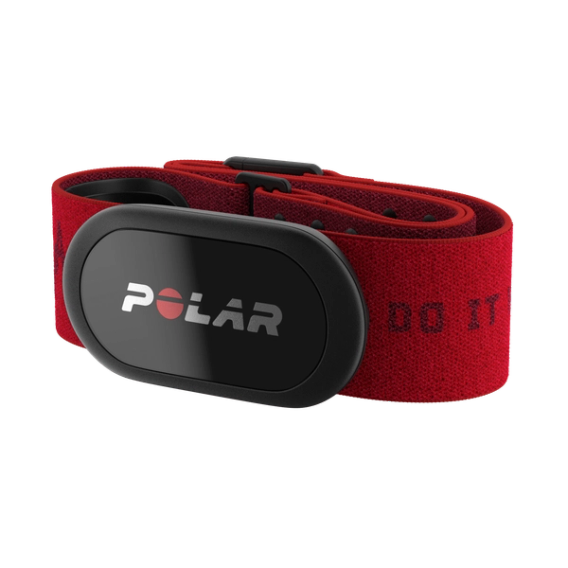
Polar H10
by Polar
$89
FEATURE COMPARISON
| Feature | WHOOP 4.0 | Polar H10 |
|---|---|---|
|
Heart Rate Accuracy Precision of heart rate measurements during various activities |
Moderate - struggles with strength training, 20-40 bpm discrepancies reported | Excellent - clinical-grade accuracy, gold standard for chest straps |
|
Battery Life How long the device operates on a single charge |
5 days continuous monitoring | 400+ hours (1+ year with CR2025 battery) |
|
Connectivity Options Available wireless connection methods |
Bluetooth only (single connection) | ANT+, dual Bluetooth, 5kHz analog (unlimited connections) |
|
Wearing Comfort Ease of daily wear and comfort during activities |
Excellent - lightweight (33g), no screen, 24/7 wearable | Good for workouts only - chest strap not suitable for all-day wear |
|
Recovery & Sleep Tracking Ability to monitor recovery metrics and sleep quality |
Comprehensive - HRV, sleep stages, recovery score, strain coaching | None - workout-focused only, no sleep or recovery features |
|
Subscription Cost Ongoing monthly fees required for full functionality |
$30/month membership required for all features | No subscription - one-time purchase includes all features |
|
Activity Detection Automatic recognition of different workout types |
Advanced - auto-detects 100+ activities with detailed strain metrics | None - requires pairing with watch or app for activity logging |
PROS & CONS
WHOOP 4.0
Pros
- 24/7 health monitoring without effort
- Comprehensive recovery and sleep insights
- Advanced strain coaching and HRV tracking
- Lightweight and comfortable for daily wear
- Automatic activity detection for 100+ sports
Cons
- Significant heart rate inaccuracy during strength training
- Expensive $30/month subscription requirement
- Limited to single Bluetooth connection
- Hardware costs not included in free pricing
Polar H10
Pros
- Clinical-grade heart rate accuracy across all activities
- No subscription fees - one-time $89 purchase
- Unlimited connectivity via ANT+ and dual Bluetooth
- Year-long battery life with replaceable CR2025
- Compatible with virtually all fitness apps and devices
Cons
- No 24/7 monitoring or recovery features
- Requires separate device for activity logging
- Not comfortable for all-day wear
- No automatic workout detection capabilities
OUR VERDICT
The Polar H10 wins for serious athletes prioritizing heart rate accuracy and value, while WHOOP 4.0 suits users wanting comprehensive health tracking despite accuracy trade-offs.
The choice between WHOOP 4.0 and Polar H10 fundamentally depends on your fitness goals and monitoring priorities. For users seeking comprehensive health optimization with 24/7 insights, recovery coaching, and lifestyle integration, the WHOOP 4.0 provides unmatched convenience and holistic tracking. However, this convenience comes with accuracy trade-offs, particularly during strength training where users report heart rate discrepancies of 20-40 bpm compared to chest straps.
The Polar H10 excels where precision matters most - during actual workouts. Its chest-based positioning and clinical-grade sensors deliver gold-standard heart rate accuracy across all activity types, from cycling to high-intensity interval training. The H10's versatility shines through its connectivity options, supporting unlimited ANT+ connections and dual Bluetooth pairing, making it compatible with virtually any fitness ecosystem.
For serious athletes prioritizing training accuracy and those frustrated with wrist-based sensor limitations, the Polar H10 offers superior value. Its one-time $89 purchase price versus WHOOP's $360 annual subscription makes it significantly more cost-effective for users who don't need comprehensive recovery analytics. The H10's year-long battery life and robust build quality further enhance its value proposition.
Ultimately, the Polar H10 wins for users prioritizing heart rate accuracy, cost-effectiveness, and training precision, while WHOOP 4.0 serves those wanting comprehensive health insights with lifestyle convenience despite accuracy limitations.
Our pick:
Polar H10
Track WHOOP 4.0 and Polar H10 in BodyOS
Connect your devices to see unified insights in one place.
RELATED COMPARISONS

Wearables
Garmin Forerunner 965 vs Coros Pace 3: Premium vs Budget Running Watch Comparison
The Coros Pace 3 offers better value for dedicated runners, while the Garmin Forerunner 965 justifies its premium price for users wanting comprehensive smartwatch features.

Wearables FEATURED
WHOOP 4.0 vs Oura Ring Gen 3: Complete Wearable Health Tracker Comparison
WHOOP 4.0 wins for comprehensive fitness tracking and recovery optimization, while Oura Ring Gen 3 excels in sleep monitoring and elegant daily wear.

Wearables
Oura Ring Gen 3 vs Ultrahuman Ring Air: Complete Smart Ring Comparison Guide
Oura Ring Gen 3 wins for superior accuracy, comfort, and user experience, despite higher subscription costs.