// CGM DEVICES
Dexcom G7 vs FreeStyle Libre 3: Complete CGM Comparison 2024
Continuous glucose monitors (CGMs) have revolutionized diabetes management by providing real-time glucose readings without constant fingersticks. The Dexcom G7 and FreeStyle Libre 3 represent the latest flagship offerings from the two dominant CGM manufacturers, each bringing significant improvements over their predecessors. Both sensors are smaller, more accurate, and feature faster warm-up times than previous generations, making the choice between them more challenging than ever. While both devices provide excellent glucose monitoring capabilities, they differ meaningfully in accuracy metrics, cost structure, wear time, and integration features. The Dexcom G7 offers superior pump integration and predictive alerts, while the FreeStyle Libre 3 provides longer wear time and more frequent readings. Understanding these differences is crucial for diabetes management, as the right CGM can significantly impact time-in-range, A1C levels, and overall quality of life.
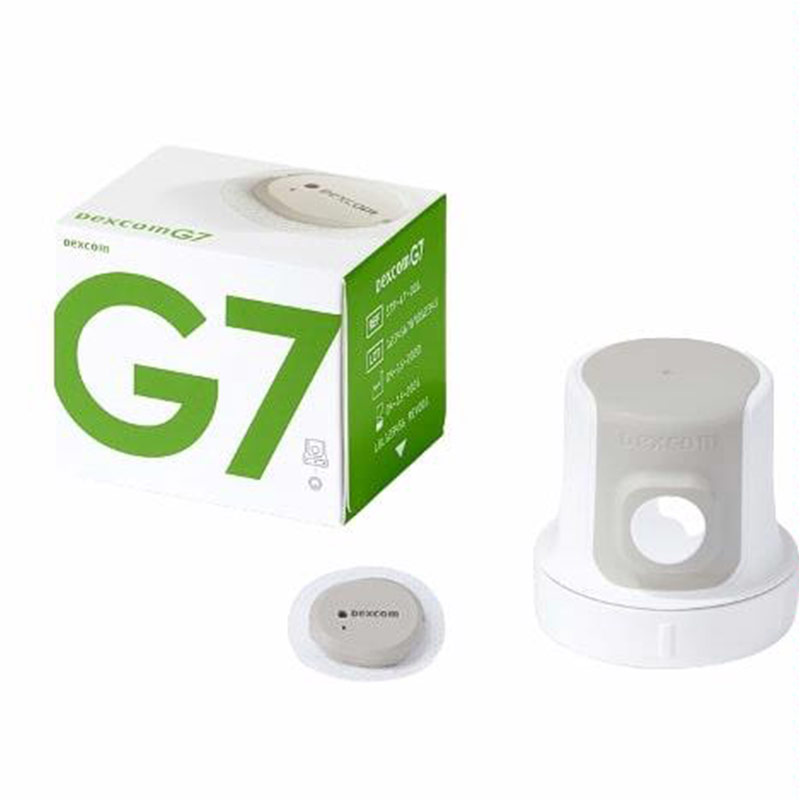
Dexcom G7
$300
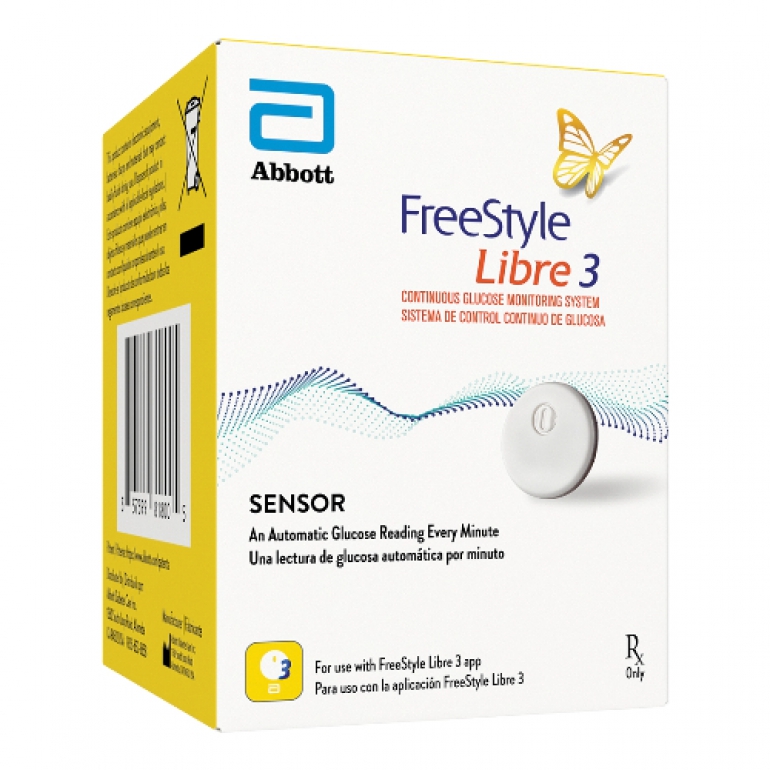
FreeStyle Libre 3
$150
FEATURE COMPARISON
| Feature | Dexcom G7 | FreeStyle Libre 3 |
|---|---|---|
|
Accuracy (MARD) Mean Absolute Relative Difference - lower numbers indicate better accuracy against lab reference values |
8.2% (adults), 8.1% (pediatrics) | 7.9-8.9% (study dependent), 9.4% (pediatrics) |
|
Reading Frequency How often the sensor transmits glucose data to your phone or receiver |
Every 5 minutes | Every 1 minute |
|
Sensor Wear Time How long you can wear the sensor before replacement, including any grace periods |
10.5 days (10 days + 12-hour grace period) | 14 days |
|
Warm-up Time Time from sensor application until you receive your first glucose reading |
30 minutes (automatic start) | 60 minutes (requires phone scan to start) |
|
Monthly Cost Typical out-of-pocket monthly cost for most insured patients in the US |
$0-100 (most pay $0) | $80+ (often $150+ uninsured) |
|
Sensor Size & Profile Physical dimensions and how discreet the sensor appears when worn |
24×27.3×4.6mm, circular design, 60% smaller than G6 | 21mm diameter×2.9mm height, smallest available CGM |
|
Pump Integration Compatibility with automated insulin delivery (AID) systems and smart insulin devices |
Omnipod 5, Tandem t:slim X2, iLet, Tandem Mobi, Lilly Tempo Pen | iLet Bionic Pancreas, twiist AID (limited options) |
|
Predictive Alerts Advanced warning systems that predict glucose trends before they become dangerous |
Urgent Low Soon (20-minute advance warning), customizable trend alerts | Standard high/low alarms only (no predictive alerts) |
PROS & CONS
Dexcom G7
Pros
- Fastest 30-minute warm-up time with automatic start
- Urgent Low Soon predictive alerts prevent dangerous lows
- Extensive pump integration (Omnipod 5, Tandem, iLet)
- Most insured patients pay $0 out-of-pocket
- 12-hour grace period for convenient sensor changes
Cons
- Shorter 10.5-day wear time requires more frequent changes
- Less frequent readings (every 5 minutes vs every minute)
- Slightly larger sensor profile than Libre 3
FreeStyle Libre 3
Pros
- Longest 14-day wear time reduces insertion frequency
- Smallest, thinnest sensor design available
- Most frequent readings (every minute)
- Slightly better accuracy in some independent studies
- No overpatch required for secure adhesion
Cons
- Higher out-of-pocket costs ($80+ monthly for most)
- Limited pump integration options
- No predictive low glucose alerts
- 60-minute warm-up requires manual phone scan to start
OUR VERDICT
Dexcom G7 wins due to superior safety features, extensive pump integration, better insurance coverage, and predictive alerts that the Libre 3 lacks.
The choice between Dexcom G7 and FreeStyle Libre 3 ultimately depends on your specific diabetes management needs and priorities. For most users seeking the most comprehensive CGM experience, the Dexcom G7 emerges as the stronger choice due to its superior ecosystem integration, predictive safety features, and better insurance coverage. The G7's Urgent Low Soon alert, which provides 20-minute advance warning of dangerous lows, is a game-changing safety feature that the Libre 3 cannot match. Additionally, its extensive pump compatibility makes it essential for users of automated insulin delivery systems.
From an accuracy standpoint, both sensors perform exceptionally well, with study results showing conflicting data depending on methodology. Independent head-to-head studies suggest the Libre 3 may have a slight accuracy edge (7.9% vs 8.2% MARD), while Dexcom-sponsored studies show the opposite. In practice, both sensors meet FDA accuracy standards and provide clinically acceptable performance for insulin dosing decisions.
The FreeStyle Libre 3 excels in specific areas that may appeal to certain users. Its 14-day wear time reduces insertion frequency, and the every-minute readings provide more granular glucose data. The smaller sensor profile makes it the most discreet option available. However, its limited pump integration, lack of predictive alerts, and typically higher out-of-pocket costs significantly limit its appeal for comprehensive diabetes management.
For budget-conscious users, the cost difference is substantial. Most insured patients pay $0 for Dexcom G7, while Libre 3 often costs $80+ monthly. This pricing advantage, combined with superior features, makes the G7 the better value proposition for most people with diabetes.
Our pick:
Dexcom G7
Track Dexcom G7 and FreeStyle Libre 3 in BodyOS
Connect your devices to see unified insights in one place.
RELATED COMPARISONS

CGM Devices
Dexcom Stelo vs Abbott Lingo: Complete Over-the-Counter CGM Comparison Guide 2025
Dexcom Stelo wins for serious metabolic optimization with superior accuracy and AI insights, while Abbott Lingo excels for budget-conscious beginners.

CGM Devices
FreeStyle Libre 3 vs Abbott Lingo: Complete CGM Comparison Guide for Health Optimization
FreeStyle Libre 3 wins for serious health optimization due to superior accuracy, clinical validation, and comprehensive glucose range detection.

CGM Devices
Signos vs Levels: Complete CGM Comparison Guide for Weight Loss and Metabolic Health 2025
Levels wins with superior usability, comprehensive data analysis, and flexible pricing options, making it the better choice for most CGM users.