// SUPPLEMENTS
AG1 vs Bloom Greens: Complete 2026 Supplement Comparison Guide
The greens powder market has exploded in 2026, with AG1 (Athletic Greens) and Bloom Greens emerging as two of the most popular choices among health-conscious consumers. Both promise to bridge nutritional gaps with convenient, powder-based supplements, but they target different audiences with distinct value propositions. AG1 positions itself as a premium, comprehensive solution for athletes and health optimization enthusiasts, while Bloom Greens appeals to budget-conscious consumers seeking variety and accessibility. The choice between these supplements often comes down to priorities: comprehensive nutrition versus affordability, scientific backing versus social media popularity, and premium quality versus flavor variety. This comparison examines every critical factor to help you make an informed decision for your health optimization journey.
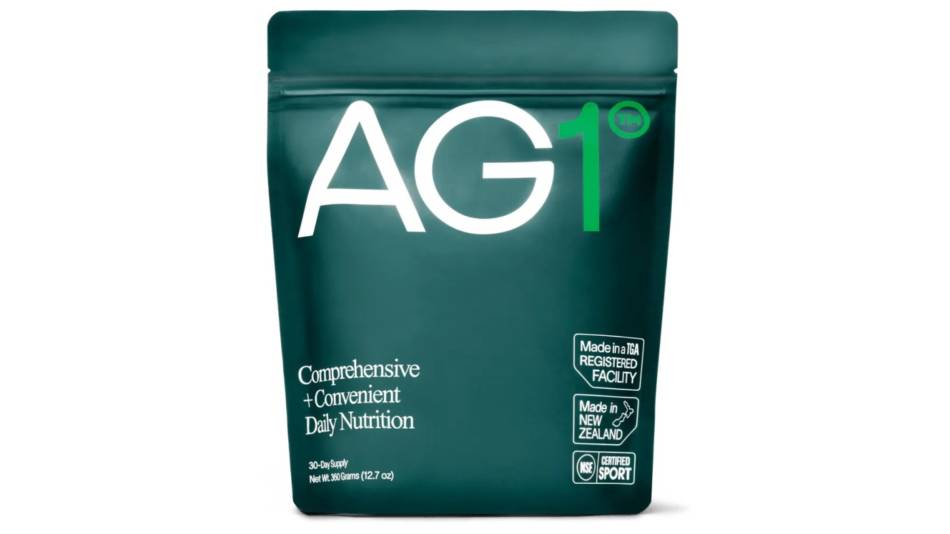
AG1 (Athletic Greens)
$99

Bloom Greens
$40
FEATURE COMPARISON
| Feature | AG1 (Athletic Greens) | Bloom Greens |
|---|---|---|
|
Ingredient Count & Complexity The total number of active ingredients and nutritional complexity |
75+ ingredients including vitamins, minerals, adaptogens, probiotics | 30+ ingredients with focus on digestive health and superfoods |
|
Probiotic Content Live beneficial bacteria count for gut health support |
7.2 billion CFUs across multiple strains | Undisclosed CFUs (only 2.5 billion listed for select flavors) |
|
Third-Party Testing & Certifications Independent verification of quality and safety standards |
NSF Certified for Sport, third-party tested, GMP certified | Third-party tested, GMP certified (not NSF certified) |
|
Monthly Cost Price per 30-day supply with subscription pricing |
$99 ($79 with subscription) - $2.63 per serving | $40 ($36 with subscription) - $1.33 per serving |
|
Flavor Options Available taste varieties and palatability |
Single original flavor (vanilla-pineapple notes) | 8+ flavors including Mango, Berry, Strawberry Kiwi, Coconut |
|
Digestive Enzyme Profile Enzymes included to aid nutrient absorption and digestion |
Single enzyme (bromelain) plus fiber and prebiotics | 7 different digestive enzymes including amylase, protease, lipase |
|
Organic Ingredient Ratio Percentage of certified organic ingredients in the formula |
Limited organic ingredients (approximately 7 out of 75) | 7 organic ingredients including spirulina, wheatgrass, flaxseed |
PROS & CONS
AG1 (Athletic Greens)
Pros
- 75+ comprehensive ingredients with transparent vitamin/mineral labeling
- NSF Certified for Sport with rigorous third-party testing
- 7.2 billion CFU probiotics across multiple beneficial strains
- Research-backed adaptogens including rhodiola and ashwagandha
- 90-day money-back guarantee for risk-free trial
Cons
- Premium pricing at $99/month limits accessibility
- Single flavor option may not appeal to all taste preferences
- Limited organic ingredients compared to total formula
Bloom Greens
Pros
- Budget-friendly at $40/month with subscription discounts available
- 8+ flavor varieties including popular options like Mango and Berry
- 7-enzyme digestive blend superior to single-enzyme competitors
- Widely available in retail stores like Target and Walmart
- Social media popularity makes it accessible to younger demographics
Cons
- Proprietary blends hide actual ingredient dosages
- Undisclosed probiotic CFU counts raise efficacy questions
- Lacks NSF certification and comprehensive third-party testing
OUR VERDICT
AG1 wins for comprehensive nutrition and quality assurance, while Bloom Greens serves budget-conscious users prioritizing taste variety over nutritional density.
After analyzing the comprehensive data, AG1 emerges as the superior choice for serious health optimization, despite its premium price point. The supplement delivers exceptional value through its 75+ ingredient formula, rigorous third-party testing including NSF Certification for Sport, and transparent nutritional labeling that specifies exact vitamin and mineral amounts. The 7.2 billion CFU probiotic count significantly exceeds Bloom's undisclosed amounts, while the inclusion of research-backed adaptogens like rhodiola and ashwagandha provides genuine stress-management benefits.
Bloom Greens offers compelling advantages for budget-conscious users and those prioritizing taste variety. Its 7-enzyme digestive blend surpasses AG1's single enzyme approach, and the multiple flavor options make daily consumption more enjoyable. However, the proprietary blends obscure actual ingredient dosages, raising questions about therapeutic effectiveness. The significantly lower probiotic count and absence of comprehensive nutritional transparency limit its value as a complete multivitamin replacement.
The price differential reflects genuine quality differences rather than marketing markup. AG1's $2.63 per serving cost includes comprehensive third-party testing, higher-potency ingredients, and research-backed formulation. Bloom's $1.33 per serving appeals to entry-level users but may require additional supplementation to match AG1's nutritional density.
For BodyOS users committed to optimal health performance, AG1's investment is justified by its comprehensive formula, quality assurance, and proven efficacy. Those prioritizing affordability and taste variety while accepting lower nutritional density will find Bloom Greens adequate for basic supplementation needs.
Our pick:
AG1 (Athletic Greens)
Track AG1 (Athletic Greens) and Bloom Greens in BodyOS
Connect your devices to see unified insights in one place.
RELATED COMPARISONS

Supplements
Seed DS-01 vs Garden of Life Probiotics: Premium vs Budget Probiotic Comparison
Seed DS-01 wins with superior strain diversity, delivery technology, and comprehensive health benefits that justify the premium price for serious health optimizers.

Supplements
Transparent Labs vs Legion Athletics: Complete Protein Powder Comparison Guide 2024
Transparent Labs wins with 28g protein per serving, superior taste, and better protein-to-calorie ratio, making it the premium choice for serious athletes.

Supplements
Nordic Naturals vs Carlson Fish Oil: Complete Omega-3 Supplement Comparison Guide
Nordic Naturals Ultimate Omega wins due to superior transparency, sustainability credentials, optimal potency, and proven absorption technology that delivers better value despite the higher price.